PDE Intelligence · Multiphysics · Scientific AI

Building PDE Intelligence for Complex Systems

Partial differential equations govern how real physical systems behave, from fusion reactors to high-speed vehicles to volcanic flows. We turn them into predictive engineering with adaptive algorithms, scientific AI, and scalable computing that reach past conventional simulation.
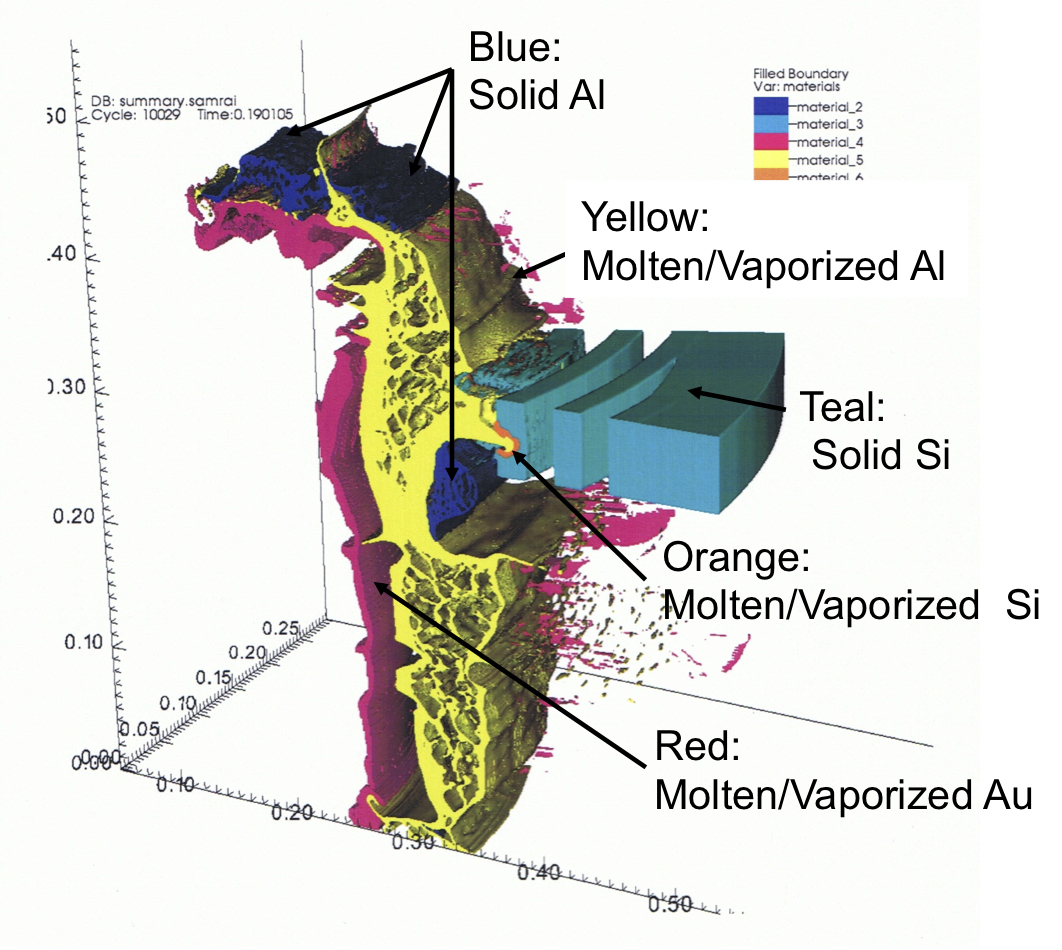
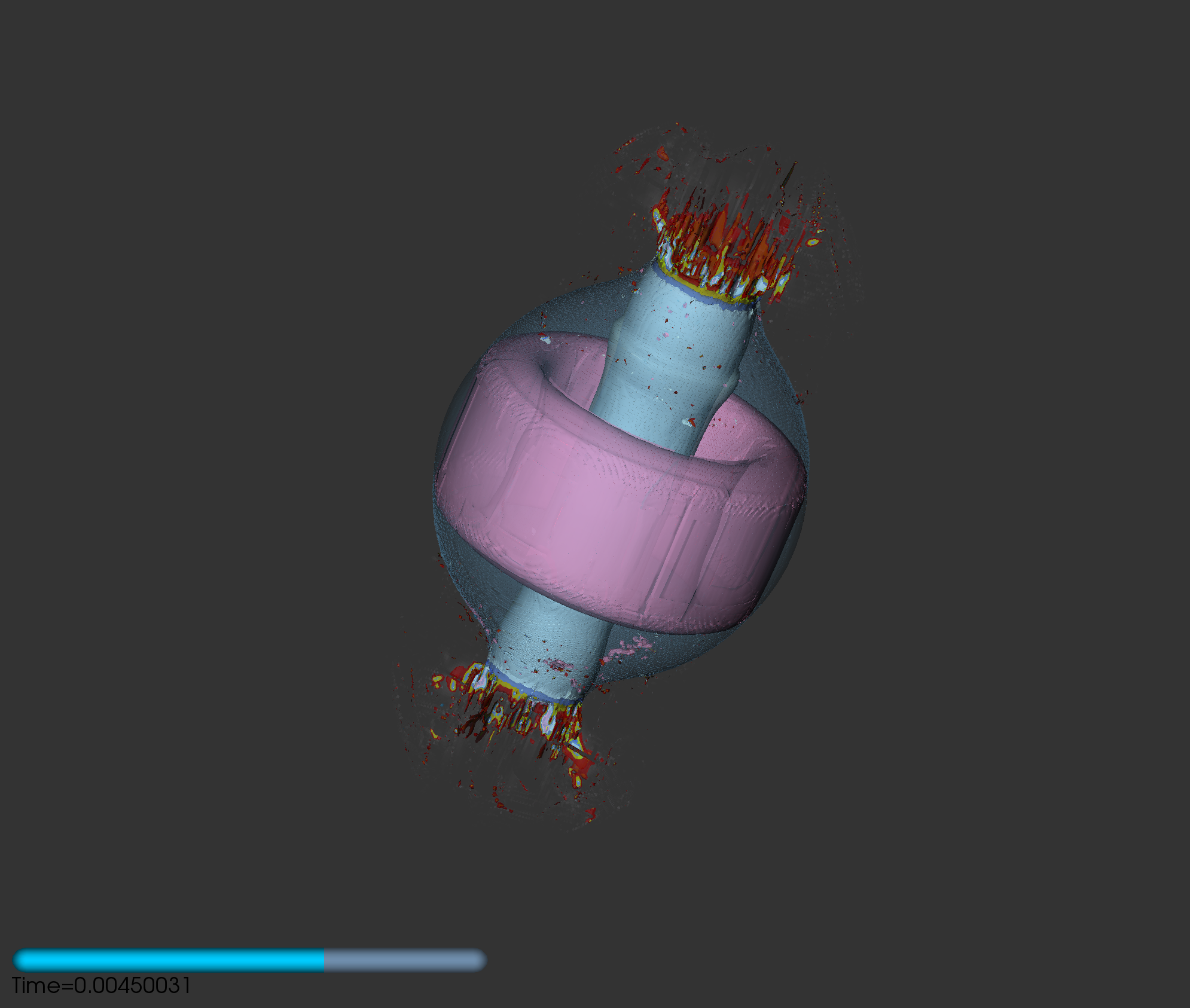
Pisale develops a new generation of computational technology for solving coupled systems of partial differential equations, the equations at the core of modern engineering and physical science. We call this capability PDE Intelligence. It brings together adaptive numerical methods, scalable algorithms, scientific machine learning, and high-performance computing in one system that predicts how complex systems behave. The capability comes out of more than a decade of research at national laboratories and universities, and we are turning it into foundational technology.

01
Numerical foundations.
Our methods are grounded in the mathematics of the underlying PDEs. They stay stable, convergent, and precise where black-box approximation breaks down, and that rigor is the technology everything else is built on.
02
Adaptive PDE algorithms.
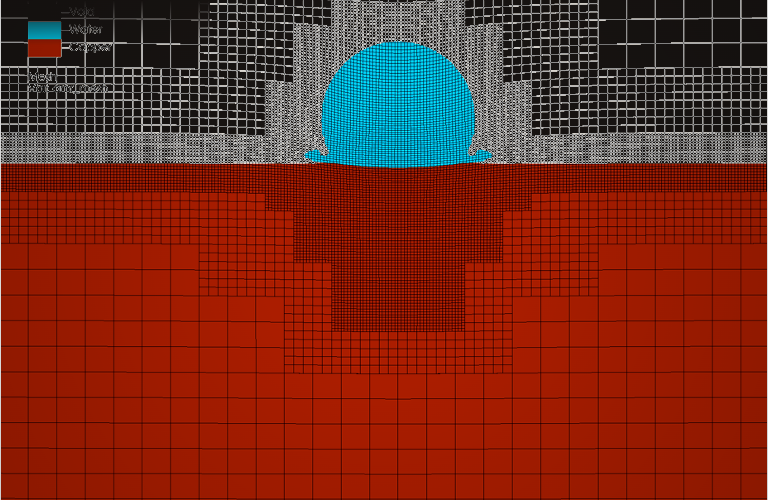
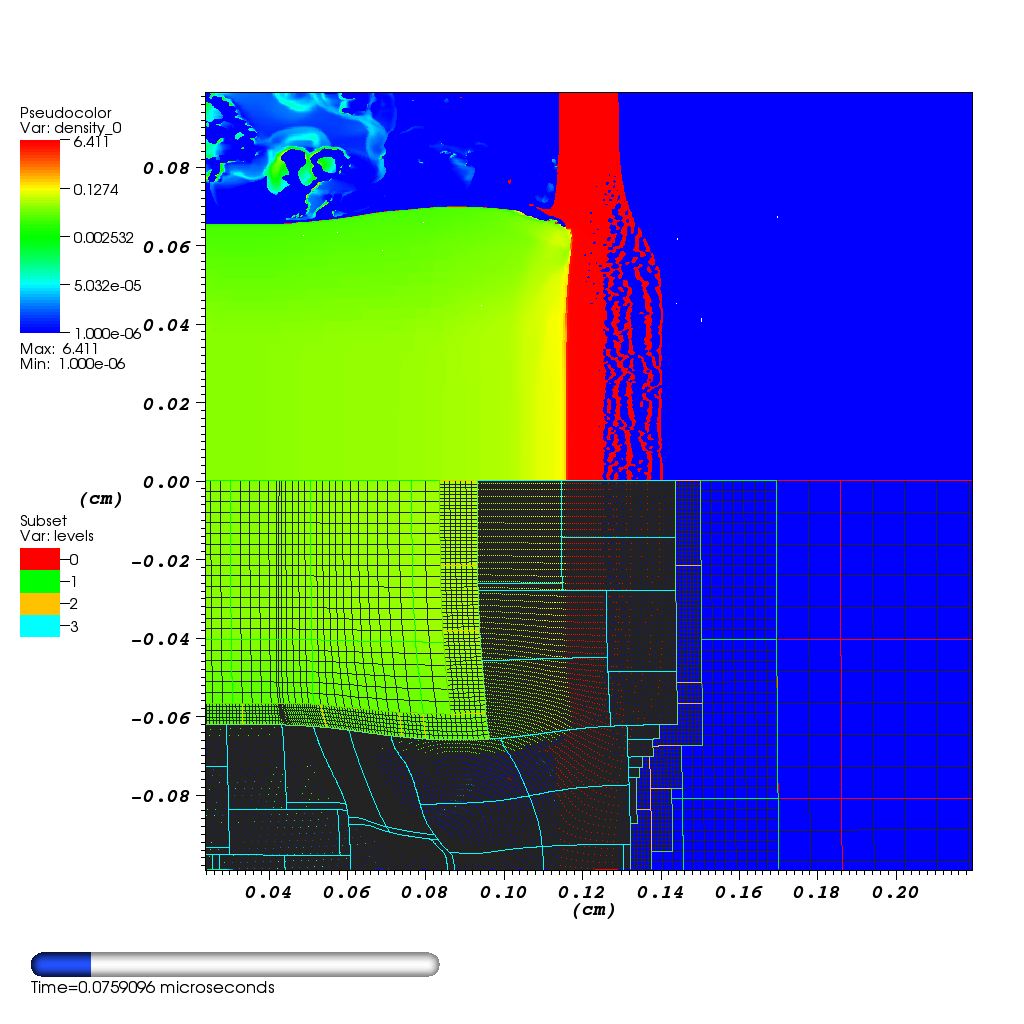
Adaptive mesh refinement and arbitrary Lagrangian-Eulerian methods resolve the sharp interfaces and coupled multiphysics that conventional solvers smear away, concentrating computation exactly where the physics demands it.
03
Scientific AI and HPC.
Experiments in these regimes are expensive to run at scale. Physics-informed machine learning and high-performance computing narrow the experimental space and converge on the right answer with far fewer of them, scaling from workstation to leadership-class systems.
04
Engineering intelligence.
We build these capabilities into predictive engineering: technology that anticipates how materials and systems behave under extreme conditions, rather than one-off analyses.
What We Do

The building blocks of PDE Intelligence

PDE Intelligence is a stack, not a single tool. Every layer, from numerical theory to scientific AI, is technology we develop to model systems that push past what standard tools handle.

Sharp interfaces.
Multi-material modeling with interface reconstruction keeps boundaries crisp instead of smearing them across the grid.
Adaptive resolution.
Adaptive mesh refinement concentrates computational power where the physics is happening, and nowhere it isn't.
Coupled physics.
Thermal conduction, surface tension, laser ray-tracing, and material strength and fragmentation, solved together in one system.
Built for HPC.
Portable across high-performance computing platforms, with demonstrated performance on leadership-class systems.
Rigorous mathematics.
Numerical methods grounded in PDE theory, engineered for accuracy rather than black-box approximation.
Scientific AI.
Physics-informed machine learning augments our solvers on modern architectures, from GPU clusters to next-generation HPC systems.
Beyond simulation
PDE Intelligence pairs direct PDE solvers with physics-informed machine learning. Together they infer material behavior under extreme conditions from combined computational and experimental data, reaching answers that neither approach finds alone.
Services

Put PDE Intelligence to work

We partner with federal programs, prime contractors, national laboratories, and industry to apply and advance our technology on real systems, from targeted studies to multi-year research collaborations.

Applied multiphysics studies.
Focused engagements that bring our adaptive PDE technology to high-speed impact, high-energy-density physics, geologic and earth-system flows, and more.
Research collaboration and subawards.
Our technology and domain expertise as a subaward or consortium partner on federally funded research programs.
Advanced materials intelligence.
Physics-informed machine learning coupled with PDE solvers to predict material behavior under extreme pressure and temperature.
Technical advisory.
Guidance on bringing adaptive numerical methods and scientific AI to new and difficult problem domains.
Applications

Proven across domains

01 / High-speed flows
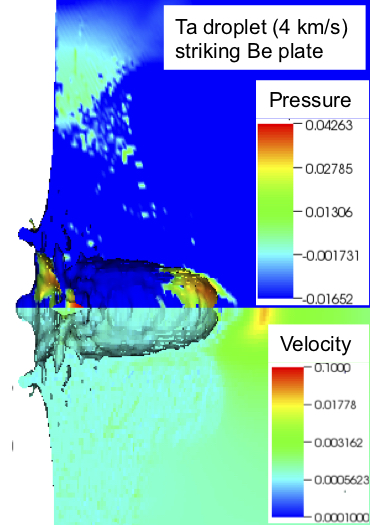
Rain, ice, and aerosol effects on high-speed flight vehicles. Particle impacts during high-speed flight.
02 / High-energy-density
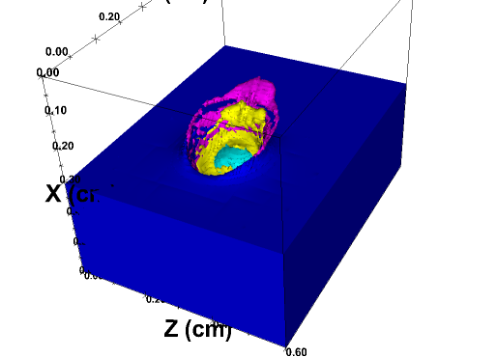
X-ray Free Electron Laser beams striking liquid materials. Laser-produced proton beams interacting with matter. High-pressure, high-temperature regimes.
03 / Impact & fragmentation
Multi-material simulation of high-speed material interactions, impact, and fragmentation of solids.
04 / Earth systems
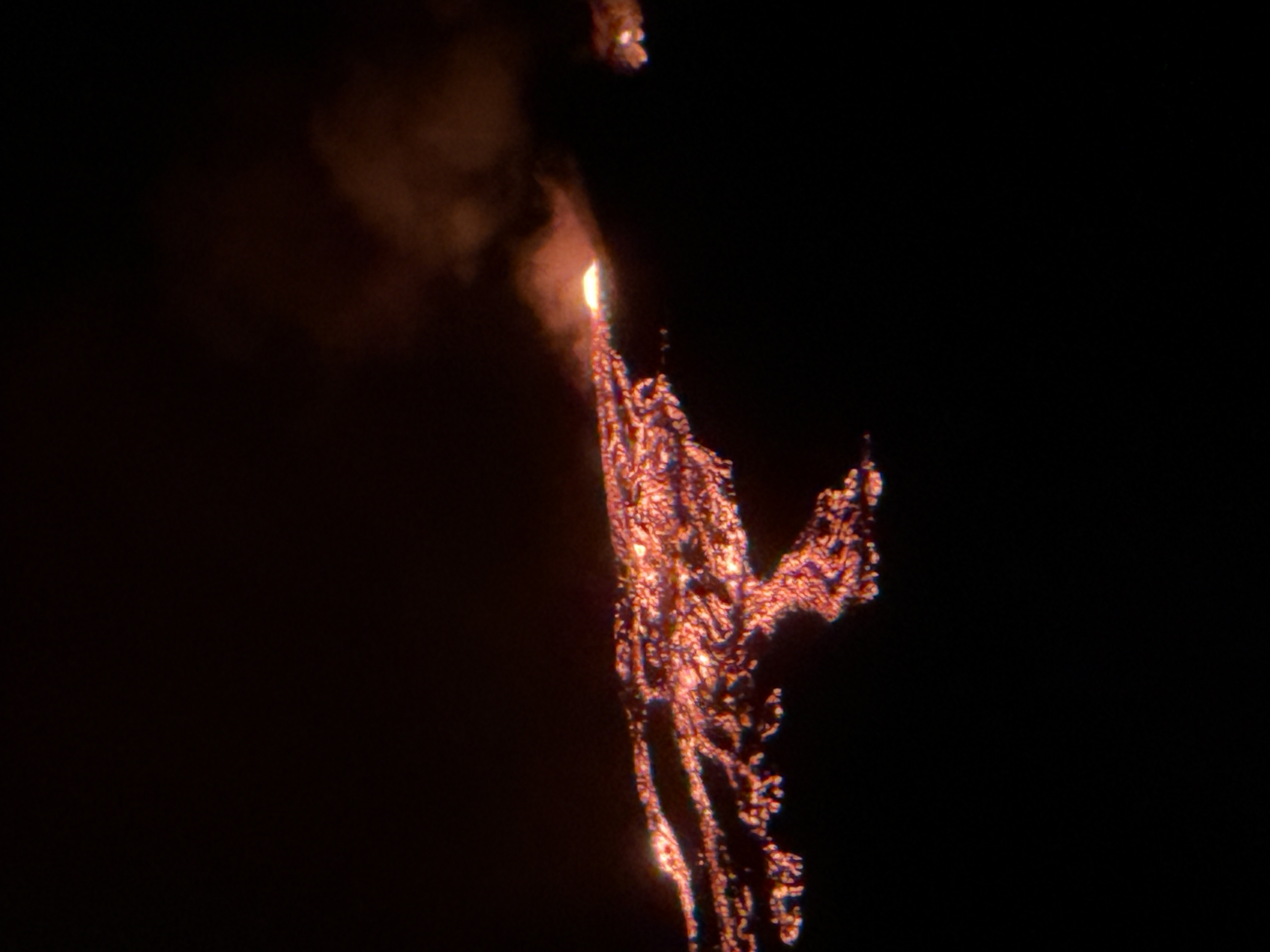
Island-scale modeling of heterogeneous volcanic terrain, resolving the sharp interface where heat and fluid move through the earth.
05 / Geothermal energy
Extending these earth-system methods to geothermal reservoirs, modeling heat and fluid transport through fractured, heterogeneous rock for energy applications.
06 / Advanced materials
Modeling material behavior under extreme pressure and temperature by coupling PDE-based hydrodynamic simulation with physics-informed machine learning.
About

From the national labs to foundational technology

Pisale builds foundational computational technology, which we call PDE Intelligence, for solving coupled PDE systems. It rests on more than a decade of research at national laboratories and research universities.

We founded Pisale to turn that research into durable technology: a platform serving government, industry, and the emerging commercial markets where predictive engineering is becoming essential. Based in Maui, Hawaiʻi, we are building the computational infrastructure for engineering intelligence.

At a glance
EntityPisale
LocationMaui, Hawaiʻi
FocusPDE Intelligence: adaptive numerical methods, scientific AI, scalable computing
Registered for federal awardsYes